
The short version
You do not need to learn how to perform. The couples who look most natural on film are the ones who forget the camera is there, and most of that comes down to two things: choosing a videographer who works unobtrusively, and giving yourselves one low-pressure practice run before the day. Everything else on this list is small.
Here is the honest answer up front: feeling natural on camera at your wedding is not a skill you have to develop. It is mostly the result of how your videographer works. A mostly documentary approach, where nobody is asking you to act out or redo a moment, removes the main reason couples feel stiff on film in the first place. The rest is a handful of small choices you can make before and during the day, and none of them involve practicing your smile in a mirror.
Almost every couple tells us some version of the same thing before the wedding: "we're really awkward on camera." Almost none of them are. Here is what actually makes the difference.
Why almost everyone feels awkward on camera
Being filmed feels strange because it is strange. Most of us have no reference for it beyond phone videos and the occasional work presentation, and a wedding adds an audience, a schedule, and a day you have thought about for a year. Some self-consciousness is completely normal, and it usually fades within the first hour of the morning, long before anything important happens.
The mistake is trying to fix it by performing. Rehearsed reactions and held smiles read as tense on film, not polished. The goal is the opposite: set up the day so you can stop thinking about the camera entirely.
Choose a videographer who keeps directing to a minimum
This is the single biggest factor, and it is decided before the wedding even starts.
Documentary-style wedding videography is an unobtrusive approach that captures the day as it naturally unfolds, without staged posing or over-directing. When nobody is stopping you to repeat a hug or hold a glance, there is nothing to get right and nothing to get wrong. You just live the day, and the film is made from what actually happened.
Our films are mostly documentary with a little editorial mixed in: the slower, composed shots of the two of you that give a film room to breathe. We film most of those while your photographer is taking your portraits, so it all happens at the same time. There is no separate video session, nothing extra on the schedule, and one less thing to think about on the day.
It is why we built Silver Leaf around this approach. We know the camera can feel intimidating, so we stay relaxed and out of the way, and couples consistently tell us they forgot we were there. If you are still comparing videographers, ask each one how much directing they do on the day. The answer tells you a lot. That question, and nine more worth asking, are in our questions to ask your wedding videographer checklist, and our guide on how to choose a wedding videographer covers the rest of that conversation.
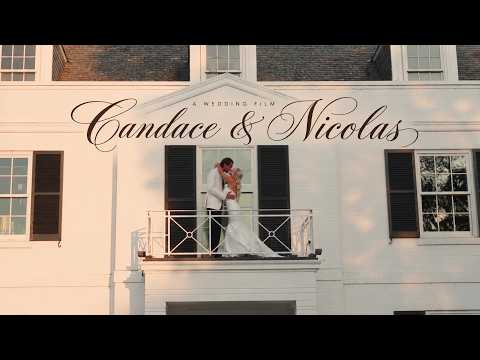
You can see more of how this plays out on our films page.
Do an engagement shoot as a practice run
If there is one practical step that makes the biggest difference, it is this. An engagement film is a low-stakes hour of being filmed, months before the wedding, with no guests, no schedule, and nothing riding on it. You get used to how we work, we learn how the two of you interact, and by the wedding day the camera is already familiar.
Couples who do an engagement shoot are noticeably more relaxed on the wedding morning. Not because they learned to pose, but because the novelty is gone.

Jennifer & Adam, Toronto engagement film
The engagement film is included free with our Classic and Complete packages. One thing to plan around: the free shoot expires two months before your wedding date, so book it early in your engagement rather than saving it for the end. We wrote more about how the shoot works in why you need an engagement video.
Jennifer and Adam did exactly this. Here is their wedding film from Graydon Hall Manor.

Do things instead of posing
Movement reads as natural on film. Standing still and smiling at a lens does not.
The good news is that a wedding day is full of things to do: getting ready, reading a letter, a first look, walking between locations, greeting people. When we film these, we are not asking you to act them out. They are simply happening, and moments that are actually happening always look better than moments that are staged.
You will not need a separate video session. The editorial shots happen during your photos, and if you want a little more time for the two of you, a short walk or a few quiet minutes alone works better than anything staged. Ten unhurried minutes of just being together gives us more than an hour of posing ever could.
Look at each other, not the lens
The fastest way to feel awkward is to wonder where to look. So decide once, in advance: at each other, at your people, at whatever is in front of you. Never at the camera.
This is not a rule we enforce on the day, because we are usually far enough away that the question never comes up. It is just a useful thing to know beforehand. Films are built from moments between people. The lens is not one of them.
Build a few real moments into the day
The parts of a wedding film that couples replay most are rarely the big set pieces. They are a private first look, vows read alone together before the ceremony, a quiet minute with a parent, the last dance when most guests have gone.
You do not need to add many. One or two genuinely private moments give the day breathing room and give the film its heart, and because they are real, being filmed during them feels incidental. If any of these are happening at your wedding, tell your videographer in advance so they can be nearby without being in the way. A schedule with room to breathe makes all of this easier, and our guide to planning a wedding day timeline for better video shows how to build one.
Tell your videographer what matters (and what to avoid)
A short conversation before the wedding removes a whole category of on-the-day awkwardness. Tell us the moments that must be captured, the people who matter most, and anything sensitive we should know, like family situations to handle carefully or anyone who prefers to stay off camera.
When your videographer already knows all of this, nobody has to flag things down mid-reception, and you never have to think about managing the film while you are living the day. We collect this from every couple before the wedding as a standard part of how we prepare.
What you can skip
- Practicing expressions. Real reactions photograph and film better than rehearsed ones, every time.
- Scripting your vows "for the camera." Write them for each other. The delivery takes care of itself.
- Worrying about "your side." In documentary filming you are moving through real space all day. There is no camera-facing side to manage.
- Booking separate time for video portraits. We film them alongside your photographer, so they fit inside the time you already have.
- Being "on" for eight hours. Nobody is. The film is edited from the best real moments, not a continuous performance.
FAQ
Do we have to pose for a wedding video?
Not really. Most of the film is documentary, captured as the day unfolds. The few editorial shots are filmed while your photographer does your portraits, so any posing is the posing you are already doing for photos, not a second session.
Do we need to set aside separate time for video portraits?
No. We film the editorial shots at the same time as your photographer's portraits, so nothing extra goes on the schedule.
What if we are really camera shy?
Camera shyness fades fast when nobody is directing you. Most couples stop noticing the camera within the first hour. An engagement shoot beforehand helps most of all, because the novelty of being filmed is gone before the wedding day.
Does an engagement shoot actually help you feel natural on camera?
Yes. It is a relaxed practice run months before the wedding, so the wedding day is your second time on camera rather than your first. It is included free with our Classic and Complete packages, and it expires two months before the wedding, so book it early.
Will the videographer interrupt the ceremony or speeches?
No. An unobtrusive videographer stays out of the way during the ceremony, speeches, and every other key moment. Everything is captured as it happens, from a respectful distance.
Should we look at the camera during the wedding video?
No. Look at each other and at your guests. Wedding films are built from real moments between people, and eye contact with the lens is the one thing that instantly reads as staged.
Still feel like you would be the exception, the one couple who really is awkward on camera? You will not be, and we are happy to talk it through.
Get in touchLast updated: November 2026